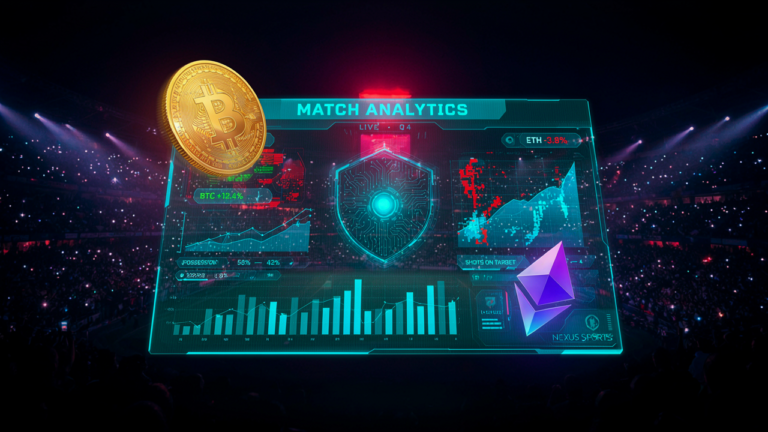
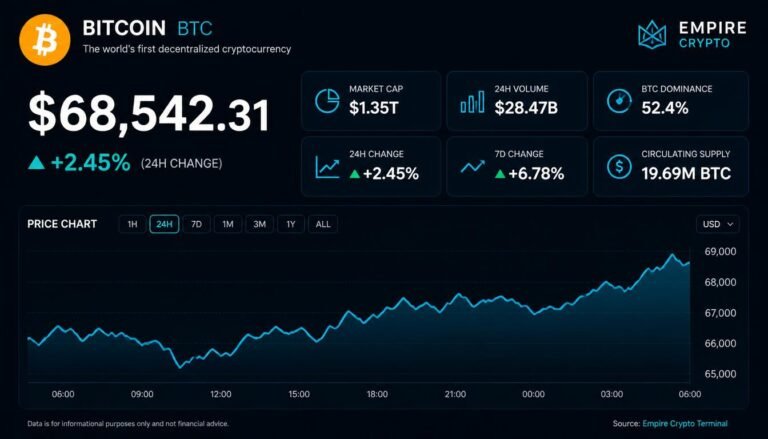
The sports industry continues to evolve with new technologies. Today, Crypto Sports stands at the center of a major transformation. Blockchain technology now connects fans, athletes, and organizations in ways that never existed before.
Traditional sports systems often face problems. Payments move slowly. Ticket fraud occurs frequently. Fans struggle to engage directly with teams. However, crypto and blockchain technologies are solving many of these issues.
What is Crypto Sports?
Crypto Sports refers to the integration of cryptocurrency, blockchain technology, and decentralized systems within the sports industry.
This concept connects sports organizations, fans, and athletes through blockchain-based platforms.

Crypto Sports can include:
- Cryptocurrency payments for sports services
- Fan tokens and digital assets
- Blockchain-based ticketing systems
- NFT collectibles for athletes and teams
- Decentralized sports betting platforms
- Athlete sponsorship through crypto
The goal is simple: create a transparent, secure, and fan-focused sports economy.
Why Crypto Sports is Growing Fast
The sports industry generates hundreds of billions of dollars every year. However, many parts of the system remain outdated.
Crypto technology introduces solutions that improve transparency and efficiency.
Major reasons for growth
1. Global fan engagement
Fans from any country can interact with teams through crypto-based platforms.
2. Faster payments
Cryptocurrency allows instant transactions across borders.
3. Better transparency
Blockchain records every transaction permanently.
4. Ownership opportunities
Fans can own digital collectibles and assets.
5. New revenue models
Teams and athletes can generate income through token sales and NFTs.
Because of these advantages, the Crypto Sports market continues to expand rapidly.
How Blockchain Works in Sports
Blockchain is the core technology behind Crypto Sports.
It is a digital ledger that records transactions across a decentralized network.
Each transaction creates a permanent block of data. No one can change the record once the system confirms it.
Key blockchain features in sports
| Feature | Benefit for Sports |
|---|---|
| Transparency | Fans can verify transactions |
| Security | Data remains protected |
| Decentralization | No central authority controls the system |
| Speed | Transactions process faster |
| Smart Contracts | Automatic agreements between parties |
These features make blockchain ideal for modern sports platforms.
Major Applications of Crypto Sports
Crypto Sports introduces several powerful use cases across the sports ecosystem.
1. Fan Tokens
Fan tokens give supporters a voice in team decisions.
Fans can vote on:
- Jersey designs
- Matchday songs
- Fan events
- Merchandise designs
Teams also reward token holders with exclusive experiences.
Benefits of fan tokens
- Stronger fan loyalty
- Global participation
- New revenue streams
Many major teams already use fan token systems.
2. NFT Sports Collectibles
NFTs (Non-Fungible Tokens) represent unique digital assets stored on blockchain.
Sports NFTs can include:
- Player highlight videos
- Digital trading cards
- Match moments
- Signed virtual memorabilia
Fans can buy, sell, and trade these assets.
Why NFTs matter in sports
- Digital ownership
- Rare collectibles
- Authenticity verification
- New fan engagement models
NFTs allow fans to own part of sports history.
3. Blockchain Ticketing
Ticket fraud costs the sports industry millions every year.
Blockchain-based ticketing solves this problem.
Each ticket becomes a unique digital asset stored on blockchain.
Advantages of blockchain ticketing
- No fake tickets
- Transparent resale markets
- Direct team-to-fan sales
- Better event data tracking
Fans receive safer and more reliable access to events.
4. Crypto Payments in Sports
Crypto Sports platforms allow fans to pay using digital currencies.
Fans can purchase:
- Tickets
- Merchandise
- Subscriptions
- Event access
Benefits of crypto payments
- Faster international payments
- Lower transaction fees
- More privacy for users
This system also helps teams reach global audiences easily.
5. Decentralized Sports Betting
Sports betting is already a massive global industry.
Crypto Sports introduces decentralized betting systems.
These platforms use smart contracts to handle wagers automatically.
Key advantages
- Transparent betting results
- Faster payouts
- Lower platform fees
- No centralized control
This creates a more trustworthy betting environment.
Benefits of Crypto Sports for Fans
Crypto Sports brings many benefits to sports fans worldwide.
Greater Engagement
Fans can interact directly with their favorite teams.
Token systems allow voting and decision-making participation.
Digital Ownership
NFT collectibles give fans real ownership of sports memorabilia.
Global Access
Fans from any country can participate without restrictions.
Secure Transactions
Blockchain technology protects financial transactions.
These benefits transform passive spectators into active participants in sports ecosystems.
Benefits of Crypto Sports for Athletes
Athletes also gain significant advantages from Crypto Sports platforms.
Direct Fan Monetization
Players can sell NFTs or exclusive content directly to fans.
Sponsorship Opportunities
Crypto brands often sponsor athletes and sports teams.
Transparent Contracts
Smart contracts ensure clear agreements and automatic payments.
Personal Brand Growth
Athletes can build stronger digital communities around their brand.
This new model allows athletes to control more of their revenue streams.
Benefits for Sports Organizations
Sports teams and leagues also benefit greatly from blockchain technology.
New Revenue Streams
Organizations can generate income through:
- Token sales
- NFT marketplaces
- Digital merchandise
Global Market Expansion
Crypto payments remove international payment barriers.
Better Data Insights
Blockchain platforms collect detailed fan engagement data.
Improved Security
Digital ticketing systems reduce fraud.
As a result, many organizations now explore Crypto Sports integration.

Crypto Sports vs Traditional Sports Systems
The differences between traditional systems and blockchain-powered sports platforms are significant.
| Feature | Traditional Sports | Crypto Sports |
|---|---|---|
| Payments | Slow international transfers | Instant crypto payments |
| Ticketing | Prone to fraud | Blockchain verification |
| Fan Engagement | Limited | Token-based voting |
| Collectibles | Physical items | Digital NFTs |
| Transparency | Limited | Fully traceable |
Crypto Sports clearly offers a more modern and efficient system.
Challenges Facing Crypto Sports
Although the industry grows quickly, several challenges still exist.
Regulatory Uncertainty
Many countries still develop rules for crypto-related platforms.
Market Volatility
Cryptocurrency prices fluctuate rapidly.
User Education
Many fans still do not understand blockchain technology.
Technical Complexity
New users may struggle with crypto wallets and tokens.
However, improved platforms and education continue to solve these problems.
Future Trends in Crypto Sports
Crypto Sports continues to evolve rapidly.
Several trends will shape the next phase of growth.
1. Web3 Sports Platforms
Decentralized Web3 platforms will create fully blockchain-based sports ecosystems.
2. Metaverse Sports Experiences
Fans may attend virtual matches inside digital stadiums.
3. Athlete-Owned Communities
Athletes will build direct communities using tokens and NFTs.
4. AI + Blockchain Integration
Artificial intelligence may analyze sports data while blockchain verifies results.
These innovations will reshape how fans experience sports.
How Crypto Sports Platforms Work
Platforms like Crypto Sports operate as digital ecosystems that connect multiple stakeholders.
The ecosystem usually includes
- Fans
- Athletes
- Teams
- Sponsors
- Developers
The platform uses blockchain infrastructure to handle transactions and digital assets.
Typical user journey
- A user creates an account.
- The user connects a crypto wallet.
- The user buys tokens or digital assets.
- The user participates in fan engagement activities.
This system creates a community-driven sports environment.
Why Crypto Sports Matters for the Future
The sports industry constantly evolves with technology.
Streaming services already transformed how fans watch games.
Now blockchain may transform how fans participate in sports itself.
Crypto Sports introduces:
- Direct fan ownership
- Decentralized ecosystems
- Transparent financial systems
- Global digital communities
These changes may redefine sports business models worldwide.
Final Thoughts
Crypto Sports represents one of the most exciting innovations in the global sports industry.
Blockchain technology brings transparency, security, and new engagement models for fans, athletes, and organizations.
Fans can now own digital assets, participate in decisions, and interact directly with teams. At the same time, athletes and organizations gain new revenue streams and global reach.
Although challenges remain, the industry continues to grow rapidly. As blockchain adoption increases, Crypto Sports may become a core part of the future sports economy.
The combination of sports passion and decentralized technology creates a powerful opportunity. Platforms like Crypto Sports will likely play a key role in shaping the next generation of sports experiences.