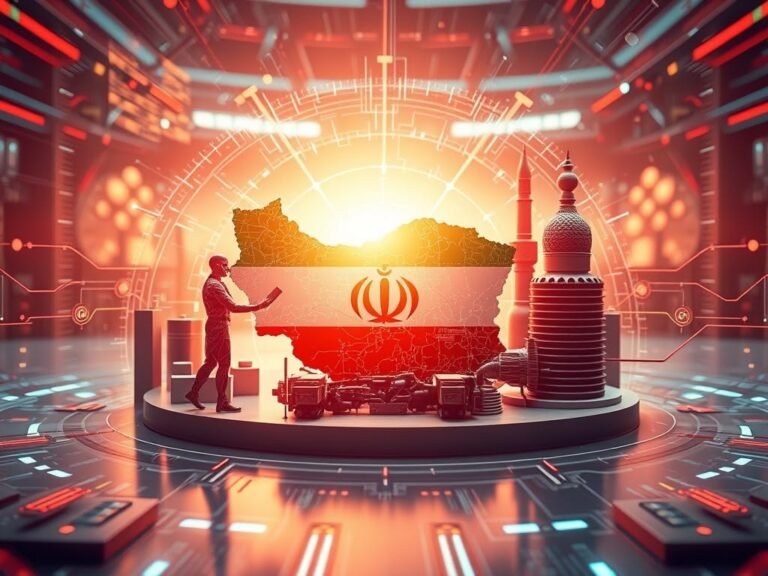
The relationship between Iran, Israel, and the United States remains one of the most important security issues in the Middle East. Therefore, understanding the ceasefire requires more than asking whether missiles are currently being launched. The wider picture includes the June 2025 Iran Israel war, direct US military involvement, Iran’s nuclear program, regional alliances, sanctions, diplomacy, and the risk of renewed fighting.
For readers following Iran News, ceasefire status should be understood carefully. A ceasefire can stop immediate attacks without solving the political problems that caused the conflict. Likewise, a period without large strikes does not automatically mean that relations have become peaceful.
What the US and Israel Ceasefire Means

A Ceasefire Is Not a Peace Treaty
First, it is important to understand the word “ceasefire.”
A ceasefire is an agreement or arrangement to stop fighting.
However, it does not necessarily settle the political dispute.
Therefore, Iran and Israel can remain serious rivals even when direct military attacks stop.
A ceasefire can create space for diplomacy.
It can also give governments time to assess military damage, move forces, protect civilians, and consider their next steps.
The June 24, 2025 Ceasefire
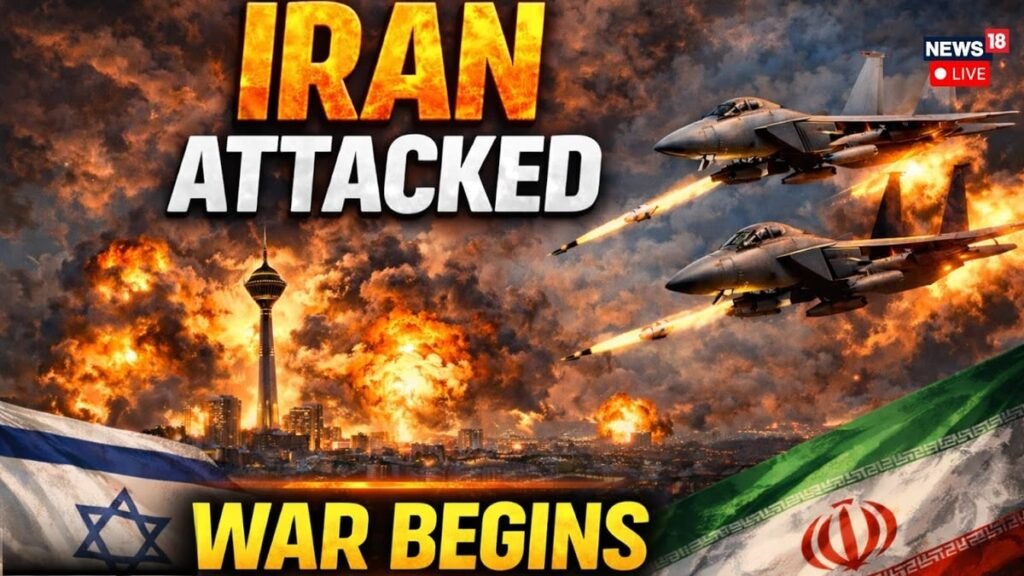
The major Iran Israel conflict in June 2025 ended with a ceasefire announced on June 24.
The arrangement followed days of intense attacks.
Israel had targeted Iranian military and nuclear related facilities.
Iran responded with waves of missiles.
The United States then directly attacked three major Iranian nuclear sites: Fordow, Natanz, and Isfahan.
Iran subsequently launched missiles toward the Al Udeid Air Base in Qatar.
After these exchanges, the fighting moved toward a ceasefire.
Why the Ceasefire Was Important
The ceasefire was important because the conflict could have expanded.
If fighting had continued, several other actors could have become more directly involved.
Iranian regional partners could have increased attacks.
American bases could have faced additional threats.
Gulf infrastructure could have become more vulnerable.
Shipping could have faced greater risks.
Oil prices could have risen sharply.
Therefore, stopping the immediate fighting reduced the danger of a much wider regional war.
The Road to the Ceasefire
Israel’s Initial Attack
The June 2025 conflict began with a large Israeli military operation against Iran.
Israel said the operation was necessary because of concerns about Iran’s nuclear program and missile capabilities.
Israeli attacks targeted senior military figures, nuclear related facilities, missile systems, and other strategic locations.
The operation demonstrated Israel’s ability to conduct long range strikes against Iranian targets.
Iran’s Response
Iran responded with ballistic missile attacks against Israel.
The Iranian government presented these attacks as retaliation and self defense.
The missile launches showed the importance of Iran’s long range military capabilities.
At the same time, Israeli air defenses and assistance from allies intercepted many incoming missiles.
Nevertheless, some missiles reached Israeli territory.
US Involvement
The conflict became more dangerous when the United States entered directly.
American forces attacked Iranian nuclear facilities.
Washington described the operation as a major effort to damage Iran’s nuclear program.
Tehran strongly condemned the attack.
Iran then responded by launching missiles toward an American military facility in Qatar.
The response was limited enough to avoid an immediate wider American campaign.
This helped create an opening for de-escalation.
The Current Meaning of the Ceasefire
Fighting Stopped, But Rivalry Did Not
The most important point is that the ceasefire did not end the strategic rivalry.
Iran and Israel still have fundamentally different views of regional security.
Israel wants to prevent Iran from developing a nuclear weapon and from building military capabilities that could threaten Israeli territory.
Iran argues that Israel has repeatedly attacked Iranian territory and facilities.
Tehran therefore seeks stronger deterrence.
The United States remains closely aligned with Israel while also seeking to prevent an uncontrolled regional war.
No Simple Return to Normal
A ceasefire does not erase the damage caused by war.
It also does not remove military preparations.
Both sides may continue improving intelligence, missile defense, air defense, military readiness, and diplomatic relationships.
Therefore, a ceasefire can be stable for a period while tensions remain high underneath the surface.
Israel’s Position After the Ceasefire
Security Concerns
Israel’s main concern remains Iran’s ability to develop military and nuclear capabilities.
Israeli leaders have repeatedly argued that Iran must not be allowed to acquire a nuclear weapon.
Israel also remains concerned about Iranian support for regional armed groups.
Military Readiness
Even after a ceasefire, Israel is likely to maintain strong military readiness.
That includes air defense.
It also includes intelligence gathering.
Long range strike capabilities remain important.
Therefore, the absence of major attacks should not be confused with the absence of military preparation.
The Role of Missile Defense
Israel has several layers of air and missile defense.
These systems played a major role during Iranian missile attacks.
However, no missile defense system can guarantee complete protection.
Therefore, Iran’s missile force remains a serious concern for Israeli planners.
Iran’s Position After the Ceasefire
National Sovereignty
Iran places strong emphasis on national sovereignty.
Its leaders have repeatedly condemned foreign military attacks on Iranian territory.
Therefore, Tehran presents its military response as a form of deterrence.
Nuclear Program
The nuclear issue remains central.
Iran says its nuclear program is peaceful.
However, its enrichment activities have created concern among Israel, the United States, and other governments.
The destruction or damage of facilities does not automatically settle the nuclear dispute.
Scientific knowledge remains.
Technical expertise remains.
Therefore, a long term solution requires more than military strikes.
Military Deterrence
Iran is likely to continue relying on missiles, drones, air defenses, and other military systems.
These capabilities are designed partly to discourage future attacks.
The strategy is based on raising the potential cost of military action against Iran.
Iran News: The United States’ Position
Preventing Nuclear Proliferation
The United States has long sought to prevent Iran from developing nuclear weapons.
This issue has influenced American sanctions, diplomacy, and military policy.
The June 2025 strikes showed that Washington was willing to use military force against nuclear related targets.
Protecting American Forces
The United States also has military personnel across the region.
Iran and Iran aligned groups have previously threatened or attacked American interests.
Therefore, Washington must balance deterrence with force protection.
Avoiding a Regional War
At the same time, the United States has reasons to avoid an unlimited conflict.
A large regional war could threaten American personnel.
It could also increase energy prices.
It could disrupt shipping.
It could damage relations with Arab partners.
Therefore, Washington has an interest in keeping the conflict controlled.
Iran News: The Nuclear Question After the Ceasefire
Why the Issue Remains
The nuclear dispute is one of the main reasons for tension between Iran and its rivals.
The United States and Israel worry about Iran’s ability to enrich uranium at high levels.
Iran says that its program has peaceful purposes.
Therefore, the disagreement involves both technical questions and political trust.
The 2015 Nuclear Deal
The 2015 nuclear agreement placed important limits on Iran’s nuclear activities.
It also created international monitoring arrangements.
In return, Iran received sanctions relief.
However, the United States withdrew from the agreement in 2018.
Iran later moved away from several of its earlier limits.
This created a much more difficult diplomatic environment.
Why Verification Matters
Verification is important because governments need reliable information.
International inspectors can monitor nuclear facilities.
They can check declared activities.
They can provide evidence about compliance.
Therefore, future diplomacy is likely to require strong verification.
Iran News: US Sanctions and Their Effect
Economic Pressure
The United States has used sanctions to pressure Iran.
These sanctions can affect oil exports, banking, investment, technology, and international trade.
The goal is to influence government behavior.
Effects on Iranian Society
However, economic pressure can also affect ordinary people.
Currency weakness can increase the cost of imported products.
Limited investment can reduce economic opportunities.
Restrictions can make international business more difficult.
Therefore, sanctions have both strategic and humanitarian consequences.
Iran’s Economic Adaptation
Iran has developed alternative trade relationships.
China is particularly important for Iranian oil exports.
Iran also trades with neighboring countries.
Therefore, sanctions have created pressure without completely removing Iran from the international economy.
Conclusion
Readers should therefore follow Iran News with care, patience, and attention to reliable evidence.The most useful approach is to separate confirmed events from political claims, avoid sensational reports, check dates and sources, and understand the larger regional context.
The central challenge now is to prevent another cycle of attacks while addressing the political and security concerns that created the crisis.
That is why the US-Israel ceasefire with Iran remains such an important issue for the Middle East and the wider world.