Iran News dominates today’s global headlines, primarily because of the dramatic tensions and ongoing crisis involving Iran, the United States, and regional powers. This guide provides a deep, clear, and organized analysis of the key regional issues surrounding Iran. It explains how these crises began, what drives them forward, their impact on the Middle East, and what the world needs to understand about the long‑term consequences.
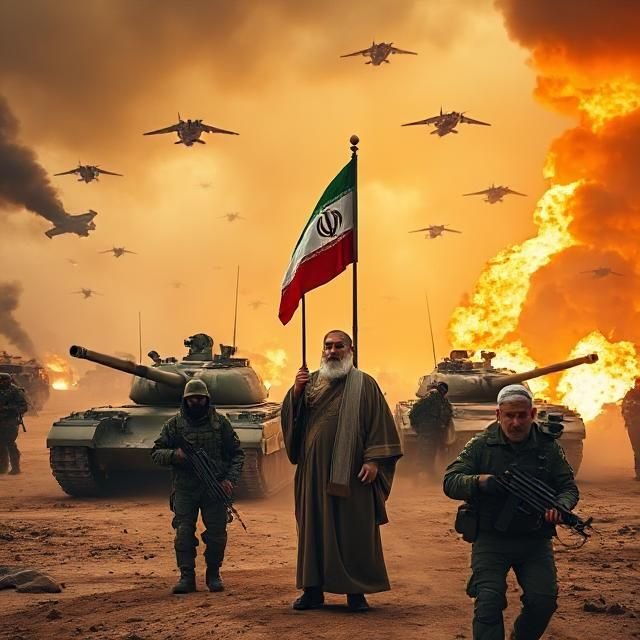
Historical Context: How Regional Issues Evolved
To analyze current regional issues, it is important first to understand the historical roots of tensions involving Iran. These disputes did not start overnight, and their effects have gradually grown over decades.
After the 1979 Revolution
After the 1979 Iranian Revolution, Iran’s political structure changed completely, and its relationship with the United States deteriorated. The revolution led to a theocratic system, which often stood in opposition to Western influence and regional rivals.
For many years, this tension shaped global diplomacy, sanctions, and foreign policy. It also influenced Iran’s relationships with neighboring states and non‑state groups throughout the Middle East.
Proxy Engagements and Regional Ties
Rather than confronting rivals directly, Iran often supported allied groups across the region. These alliances — including with Hezbollah in Lebanon, militia forces in Iraq and Syria, and other regional actors — allowed Iran to extend its influence without committing to full‑scale military action in every conflict.
Over time, these relationships helped build complex networks of influence across the Middle East and made Iran a pivotal point in regional security calculations.
How the Iran–USA Crisis and War Began
Understanding the wider Middle East requires knowledge of how the current Iran News crisis developed.
Breakdown of Diplomacy and Military Escalation
Since 2023, attempts at diplomacy between Iran and the United States have repeatedly failed. Tensions increased as both sides made strategic demands and rejected conditions for lasting peace.
On February 28, 2026, coordinated airstrikes by the United States and Israel targeted multiple locations across Iran, sparking a major escalation in violence. These strikes were designed to weaken Iran’s military capacity and strategic leadership.
Iran’s Immediate Military Response
Iran retaliated by launching ballistic missiles and drones against Israeli territory and US bases in the region. This escalation spread conflict across the Gulf states and nearby territories, with implications far beyond Iran’s borders.
This chapter of the conflict has transformed the longstanding geopolitical rivalry into an active military confrontation with global implications — making Iran News a necessary topic for understanding the future of the Middle East.
Regional Impact: Security and Military Dynamics
The crisis involving Iran has dramatically altered the security landscape of the Middle East. Several major trends have emerged that reflect changing power dynamics in the region.
U.S. Military Buildup and Strategy
As tensions rose, the United States significantly increased its military presence in the Persian Gulf and surrounding waters. This buildup included aircraft carriers, destroyers, and additional air and naval assets, creating one of the most significant American deployments in the region in years.
The presence of such forces was intended to both deter further escalation and provide options for sustained military operations if diplomatic efforts failed.
Iran’s Defensive and Offensive Strategy
Iran has pursued a two‑part strategy. First, it has used long‑range missiles and drones to respond to strikes. Second, its proxy networks have intensified pressure on American and allied positions across Iraq, Syria, Lebanon, and Yemen.
Some military analysts also note that Iran has adapted its tactics by conserving high‑value weapons while maintaining consistent pressure through smaller airborne attacks.
Proxy Conflicts and Regional Relationships
Iran’s partnerships with proxy groups have expanded the conflict beyond direct engagement with the United States and Israel. These alliances have sometimes forced other regional players to shift their own defense strategies.
Consequently, nations such as Saudi Arabia, Qatar, and the UAE have convened urgent meetings to reassess their regional security postures and develop unified responses.
Political and Diplomatic Dimensions
The Iran case reflects not only military confrontation but also deep diplomatic challenges. These challenges involve internal regional politics, global alliances, and unresolved strategic questions.
Failed Negotiations and Peace Plans
Despite repeated calls for negotiations, meaningful progress toward lasting peace has been elusive. Iran recently unveiled a detailed peace proposal that linked de‑escalation to sanctions relief and long‑term security guarantees.
Meanwhile, the United States and its allies have proposed their own conditions for peace, but no decisive framework has yet emerged that satisfies both sides.
Regional Diplomatic Efforts
Some Middle Eastern states, including Turkey, Saudi Arabia, and Qatar, have attempted to broker talks between the U.S. and Iran to prevent further bloodshed and economic disruption. These diplomatic moves underscore the broader awareness in the region that continued conflict would threaten everyone’s stability.
Broader International Response
Other nations outside the Middle East have also weighed in, offering support for conflict resolution but warning that escalation could have dangerous consequences for global security and the economy.
These interactions show how regional issues involving Iran now extend well beyond local politics and have become a matter of international concern.
Economic Effects: Oil, Trade, and Markets
One of the most far‑reaching effects of the Iran crisis has been its impact on global energy markets.
Threats to the Strait of Hormuz
Shipping through the Strait of Hormuz — which carries a significant portion of the world’s oil exports — has been seriously disrupted by military tensions and threats of closures linked to regional defenses.
This disruption contributed to surges in oil prices and widened economic uncertainty globally, especially in countries heavily dependent on oil imports.
Market Volatility and Risk Perception
Global markets, especially energy markets, reacted strongly to each new development in the crisis. Investment strategies shifted as traders anticipated supply constraints and the possible rerouting of oil tankers, increasing insurance and transportation costs.
The risk of a broader conflict raised fears that supply chains could face long‑term instability. Energy analysts warned that even short disruptions in oil flows could have ripple effects throughout global trade networks.
Social and Humanitarian Consequences
The conflict has also had strong human effects, far beyond geopolitical calculations.
Civilian Hardship Within Iran
As airstrikes and military operations continued, Iran’s population faced growing hardship. Cities suffered infrastructure damage, public services were disrupted, and many people experienced shortages of essential goods.
These conditions have increased public concern about safety and the future of daily life in affected areas.
Information Accessibility and Communication Challenges
During moments of heightened tension, Iran experienced disruptions in digital communication, including partial internet shutdowns. These actions affected public access to information, limiting social and economic activity for many citizens.
Migration and Displacement
The impact of conflict also led to internal displacement as residents moved from high‑risk zones to safer areas. These movements placed additional strain on local resources and contributed to broader humanitarian concerns.
Future Scenarios: What Lies Ahead
As regional issues continue to unfold, analysts have outlined several possible futures:
1. Prolonged Diplomatic Deadlock
Negotiations may continue without resolution if both sides remain committed to maximal demands. This could prolong tensions, keeping Iran News as a central global topic.
2. Managed Conflict with Periodic Escalation
Even without a formal peace, the conflict could settle into controlled phases of fighting and negotiation, with periodic escalations affecting regional stability.
3. Wider Regional Realignment
The crisis might accelerate changes in Middle Eastern alliances, as nations reconsider their diplomatic and economic priorities in response to shifting power dynamics.
Each path carries serious consequences for regional and global politics, economics, and security.
Conclusion
Today’s Iran News reflects a web of regional issues that cannot be understood through isolated headlines alone. This crisis — driven by historical tensions, geopolitical competition, military strategy, and economic interest — has evolved into a defining challenge for the Middle East and international community.
From proxy alliances and military confrontations to diplomatic efforts and economic uncertainty, the dynamics involving Iran continue to influence global affairs. While the future remains uncertain, what is clear is that the current era will fundamentally shape how nations interact in the coming decades.