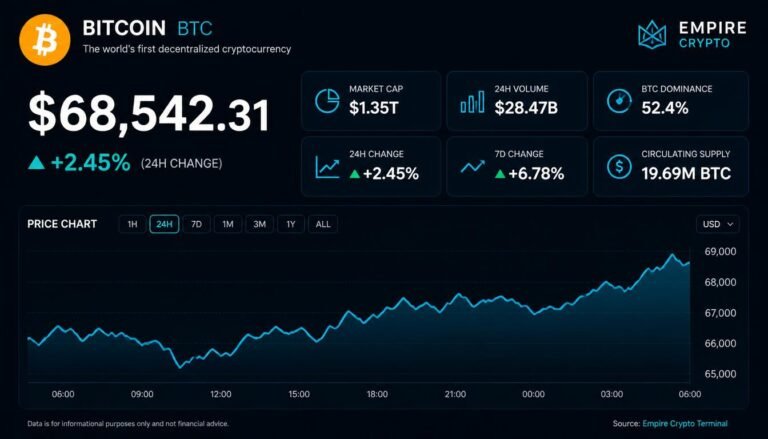
The modern financial world runs on information. In the digital asset space, accurate and timely data is the most valuable resource. This is where the Crypto Data Business comes into play. It provides the foundation for trading, analysis, and innovation.
Building a successful operation in this field requires more than just watching the markets. It demands robust infrastructure, reliable data streams, and scalable solutions. The Crypto Data Business offers enterprise-grade tools and API access to meet these critical needs.

What is the Enterprise Crypto Data Business?
The enterprise Crypto Data Business focuses on delivering high-quality, reliable data to large organizations. Unlike services for individual investors, these solutions are built for scale and mission-critical operations. They offer guaranteed uptime, faster speeds, and dedicated support.
These services are vital for hedge funds, exchanges, and fintech companies. They need data they can trust for trading algorithms, risk management, and compliance. The Crypto Data Business provides the backbone for these complex systems.
Understanding Crypto APIs
An API, or Application Programming Interface, is a set of rules. It allows different software applications to talk to each other. In the Crypto Data Business, APIs are the primary way companies access market information.
Developers use these APIs to pull data into their own platforms. This can include prices, trading volumes, and order book information. A powerful API is the core of any serious Crypto Data Business.
Types of Crypto Data APIs
Understanding the different types of APIs is key to choosing the right solution. Providers often offer various tiers based on needs.
- Market Data API: This is the standard entry point. It gives access to a wide range of crypto data from many exchanges. It is perfect for analytics, dashboards, and backtesting.
- Exchange Link: This is a dedicated connection to a single exchange. It offers ultra-low latency for high-frequency trading. It provides private account data like balances and order history.
- Enterprise Plan: This is a comprehensive solution. It bundles different services under a custom agreement. It offers dedicated infrastructure, private networking, and guaranteed SLAs (Service Level Agreements).
Key Features of Enterprise Solutions
Enterprise solutions in the Crypto Data Business come with features standard plans lack. These features ensure that businesses can operate smoothly and securely.
High Performance and Low Latency
In trading, speed is everything. An enterprise Crypto Data Business solution provides a dedicated infrastructure to minimize delays. Providers often have servers in major financial hubs like North America, Europe, and Japan.
For example, they may offer custom server setups near your location. This reduces the time it takes for data to travel. This is critical for high-frequency trading firms.
Enhanced Security
Security is a top priority in finance. Enterprise API access includes advanced measures to protect your crypto data. This ensures that only authorized people can access your systems.
Some common security features include:
- TLS Encryption: This encrypts all communication to prevent eavesdropping.
- IP Whitelisting: This restricts access to your API to specific IP addresses.
- JWT Token Authentication: This provides an extra layer of security for API requests.
Service Level Agreements (SLAs)
A key part of the Crypto Data Business is providing guarantees. SLAs are contracts that promise a specific level of service. This often includes a commitment to 99.9% or even 99.95% uptime.
These agreements are legally binding. They give enterprise clients recourse if the service fails. This is essential for businesses that depend on crypto data 24/7.

Compliance and Legal Assurance
Large financial institutions face strict regulations. An enterprise Crypto Data Business helps them comply. Providers allow for custom legal terms tailored to specific requirements.
For instance, they can offer custom SLAs with independent third-party monitoring. This ensures transparency and builds trust. It is a crucial differentiator for the Crypto Data Business.
Comparing Leading Enterprise Crypto Data Providers
Several major players dominate the enterprise Crypto Data Business landscape. Each offers unique strengths and features. Let’s compare some of the top options.
| Provider | Best For | Key Enterprise Feature | Coverage |
|---|---|---|---|
| CoinMarketCap | Broad products, dashboards | 30M+ monthly credits, ISO 27001 certified | 51M+ assets, 947+ exchanges |
| CoinAPI | Normalized feeds, streaming | Custom infrastructure, dedicated FIX endpoints | 380+ exchanges |
| Moralis | Onchain data, wallets, DeFi | Custom data pipelines, real-time indexing | 30+ blockchain chains |
CoinMarketCap API Enterprise Plan
CoinMarketCap is a household name in the industry. Their enterprise plan offers immense scale. It provides up to 30 million monthly call credits.
Their key strength is market coverage. They track over 51 million assets across 947 exchanges. They also have ISO 27001 and ISO 27701 certifications for security. This makes them a strong choice for the Crypto Data Business.
CoinAPI Enterprise Plan
CoinAPI focuses on providing a normalized interface for crypto data. It consolidates data from over 380 exchanges into a single format. This simplifies the work for developers.
Their enterprise plan offers dedicated features. This includes private networking and custom SLAs. They also provide premium 24/7 support. This is a great option for complex streaming infrastructure needs.
Moralis for Enterprise
Moralis takes a different approach. It focuses on “onchain” crypto data. This is the data stored directly on a blockchain.
Its enterprise solution provides a production-grade data layer for Web3. It powers wallets, analytics, and compliance tools. It offers Data Feeds for custom pipelines. This allows businesses to build tailored solutions.
How to Choose the Right Crypto Data Solution
Selecting a partner for the Crypto Data Business is a strategic decision. The right choice depends on your specific needs.
Assess Your Needs and Scale
Start by asking questions. Do you need a broad view of the market? Or do you need ultra-low latency for a single exchange? Understanding your primary use case is the first step.
Consider Pricing Models
Enterprise pricing is often custom. This depends on your data usage, needed features, and support requirements. Some providers offer pay-as-you-go options for flexibility.
Be sure to discuss your budget and data needs clearly. A typical CryptoData Business will provide a custom quote based on your scale.
Evaluate Security and Compliance Needs
Security should never be an afterthought. Look for providers with certified security practices. ISO 27001 certification is a gold standard for the Crypto Data Business.
Also, check if they offer features like mTLS and IP whitelisting. These are important for protecting your sensitive crypto data.
Frequently Asked Questions (FAQ)
Q: What is a typical cost for an enterprise crypto data API?
A: Enterprise plans are custom-priced based on data volume and features. They often require contacting sales for a custom quote.
Q: How does an Enterprise plan differ from a Standard plan?
A: Enterprise plans offer dedicated infrastructure, custom SLAs, and enhanced security. They also have much higher rate limits and dedicated support.
Q: Can I move from a Standard plan to an Enterprise plan easily?
A: Yes, migration is typically simple. It usually just requires rotating a new API key with minimal to no code changes.
Conclusion
The Crypto Data Business is the engine of the digital asset economy. Enterprise solutions and APIs provide the fuel for that engine. They offer the performance, security, and reliability needed for serious operations.
Choosing the right provider requires careful thought. You must evaluate your needs for scale, latency, and security. Whether you need broad market coverage or dedicated onchain data, there is a solution out there.
The future of finance relies on high-quality crypto data. By partnering with a strong enterprise provider, you can build a solid foundation for success. Make sure your Crypto Data Business strategy is robust and ready for the future.